
Facilties
- Home
- Facilties
COMPUTER CLASS
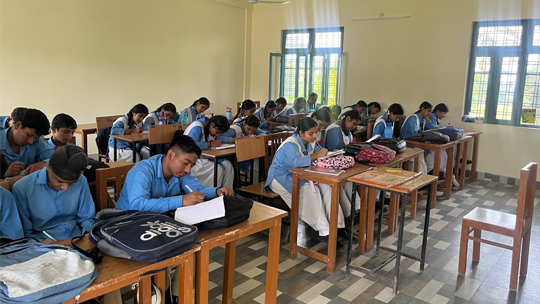
"Computer class" in school refers to the integration of technology to enhance the learning experience. In smart classrooms, traditional teaching methods are supplemented or replaced by digital tools and multimedia resources to create an interactive, engaging, and dynamic learning environment.
Features of a Smart Classroom:
- Interactive Whiteboards or Smartboards: Teachers can project lessons, videos, and presentations, allowing for real-time interaction like drawing, writing, or highlighting.
- Projectors and Digital Displays: Visual content such as videos, images, and graphics are displayed to make learning more engaging.
LIBRARY
A school library plays a crucial role in supporting students' academic and personal growth. It provides access to a wide range of resources, including books, digital media, and research materials, fostering a culture of reading and learning. Here are key aspects of a typical school library:
- Educational Support: School libraries support the curriculum by offering books and resources related to various subjects, helping students complete assignments, projects, and research.
- Reading and Literacy Promotion: Libraries encourage reading for pleasure and learning. They often have diverse collections of fiction, non-fiction, and periodicals to cater to different interests and reading levels.
SCIENCE LAB
A school lab is a dedicated space where students engage in hands-on, practical learning to explore scientific concepts in areas like biology, chemistry, physics, and more. Labs help reinforce theoretical knowledge through experiments, allowing students to observe and manipulate variables directly.
1. Science Lab:
- Biology Lab: For studying living organisms, anatomy, genetics, and more. Equipment often includes microscopes, slides, petri dishes, and specimens for dissection.
- Chemistry Lab: Used for studying chemical reactions. Students work with beakers, Bunsen burners, chemicals, and safety gear like goggles and gloves.
- Physics Lab: Focuses on the principles of mechanics, light, electricity, and magnetism. Common equipment includes pendulums, springs, batteries.
CLUBS/ ACTIVITES
Extracurricular activities in school are programs, clubs, or sports that students participate in outside of their regular academic coursework
- Sports: Football, basketball, volleyball, swimming, track and field, and more.
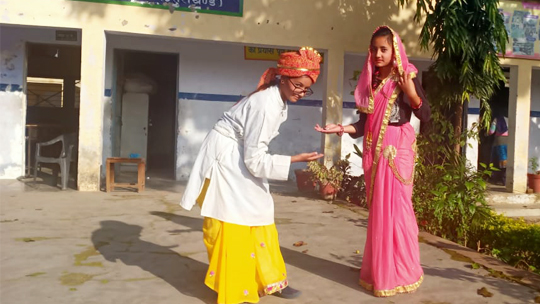
- Arts: Music (band, orchestra, choir), theater, dance, and visual arts.
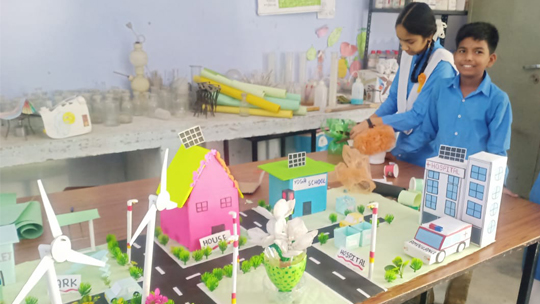
- Academic Clubs: Math club, debate team, science club, robotics, and coding.
- Cultural and Language Clubs: Spanish club, international clubs, or cultural heritage organizations.
SPORT AMENITIES
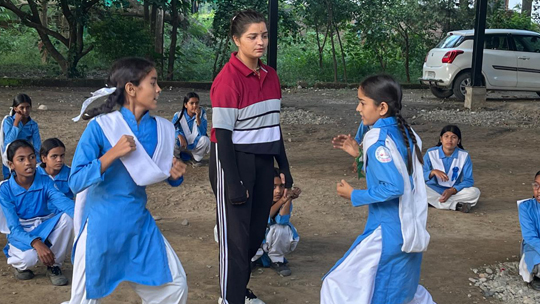
Sports in school play a significant role in the physical, social, and emotional development of students
Physical Benefits
- Fitness and Health: Participating in sports helps students develop strength, stamina, and coordination. It reduces the risk of obesity, heart disease, and other lifestyle-related diseases.
- Skill Development: Sports teach students specific skills related to different games, improving motor skills, balance, and overall physical abilities.

MID DAY MEAL
The Mid-Day Meal (MDM) scheme is a government initiative in India aimed at improving the nutritional status of school-going children. It provides free lunches to students in government and government-aided schools from classes 1 to 8. The program was launched in 1995 as the "National Programme of Nutritional Support to Primary Education" and has since evolved to become one of the world's largest school feeding programs.
- Improve Nutritional Status: The primary goal is to improve the nutritional intake of children, especially from underprivileged backgrounds.
- Increase School Enrollment and Attendance: By providing meals, the program encourages children, particularly from disadvantaged communities, to attend school regularly.